When we think of achieving something big, our minds often drift to dramatic moments: a sudden breakthrough, a windfall, or an overnight success. But in reality, the work that counts is usually quiet, repetitive, and seemingly boring. Real success in sports, business, and money comes from showing up every day and doing the small, intentional things that add up over time.

A High Tolerance for Boredom: The Secret to Financial Freedom
Meet the Iron Cowboy
One of the clearest examples of this comes from James Lawrence, known as the “Iron Cowboy.” He is not just a triathlete; he is a master of endurance and consistency. In 2011, he completed 50 Ironman triathlons in 50 days across 50 states. Read that again. And in 2020, he pushed the limits even further with 101 Ironmans in 101 days. Each day meant swimming 2.4 miles, biking 112 miles, and running a full marathon of 26.2 miles. When asked how he kept going, he said, “A high tolerance for boredom is a decidedly underrated superpower.” The work was grueling, repetitive, and sometimes exhausting, but he embraced it.
How Monotony Applies to Your Finances
That idea applies perfectly to financial freedom. Steps to financial freedom aren’t flashy. Saving a little each week, paying off debt, checking your budget, investing consistently – it isn’t exciting. But this is exactly what builds a secure financial future.
And the need for consistent financial habits is clear. Only about 54% of U.S. adults say they know at least a fair amount about personal finances, including how to manage money and build stability.
The Real Financial Picture
Too many people are living without a financial safety net. Recent surveys show:
- 78% of Americans live paycheck to paycheck, struggling to cover expenses if money doesn’t come in. (investopedia)
- 69% of households have less than $1,000 in emergency savings (savology)
- Americans owe just under eighteen trillion dollars of consumer debt (newyorkfed)
These numbers make it clear: financial stress is real. And this is why establishing consistent money habits is so important.
The Power of Small Steps
Think about it this way: every time you resist an impulse purchase, pay extra toward debt, or invest every month, you are building momentum. Each act may feel small or boring, but over time, these consistent actions grow into something remarkable. They create a safety net, build wealth, and give you the freedom to make choices without stress. It’s the monotony of repeated good habits that compounds into extraordinary results.
Lawrence’s story also highlights resilience. During his challenges, he faced fatigue, injuries, and doubt, but he kept moving. Financial journeys have similar hurdles: unexpected expenses, job changes, slow progress, and tempting splurges. Most people give up when things feel hard or boring. But embracing monotony allows you to persist through these challenges. You learn to rely not on bursts of motivation, but on steady, disciplined action.
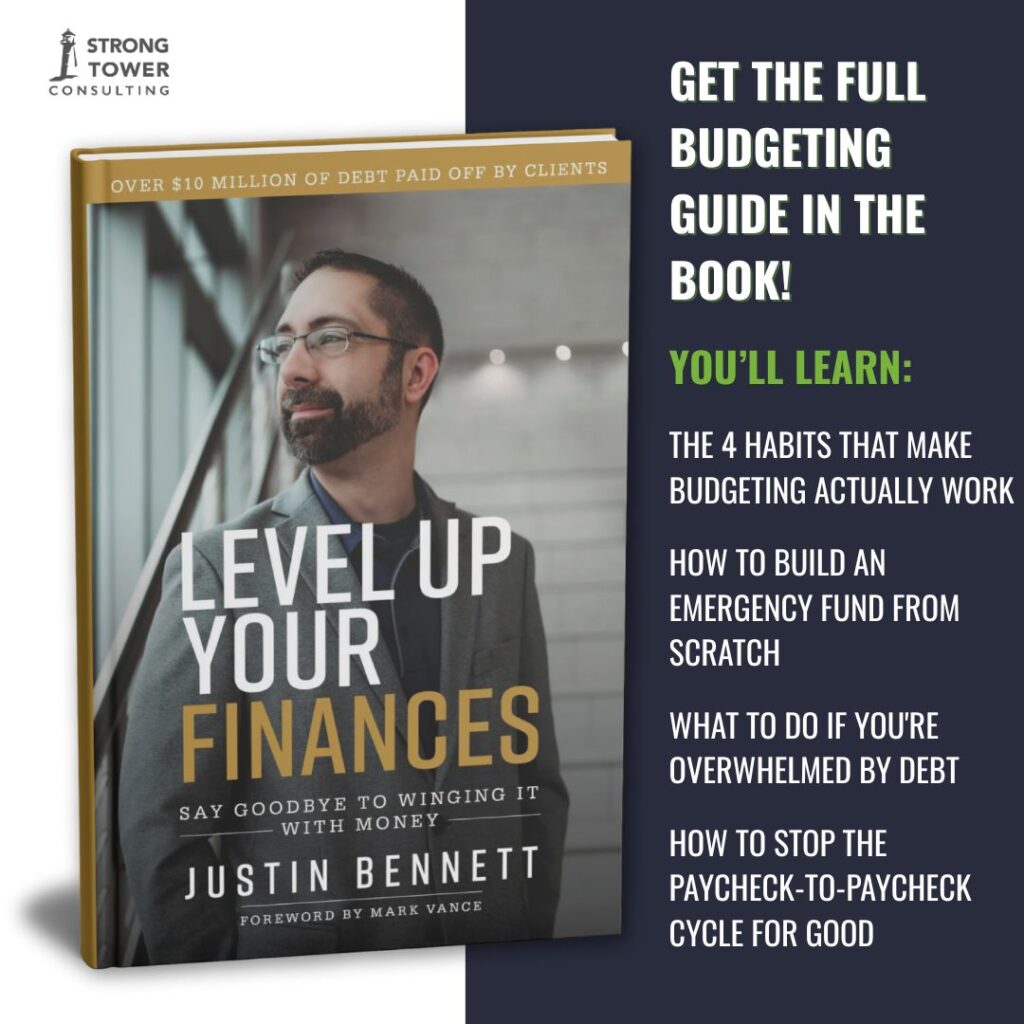
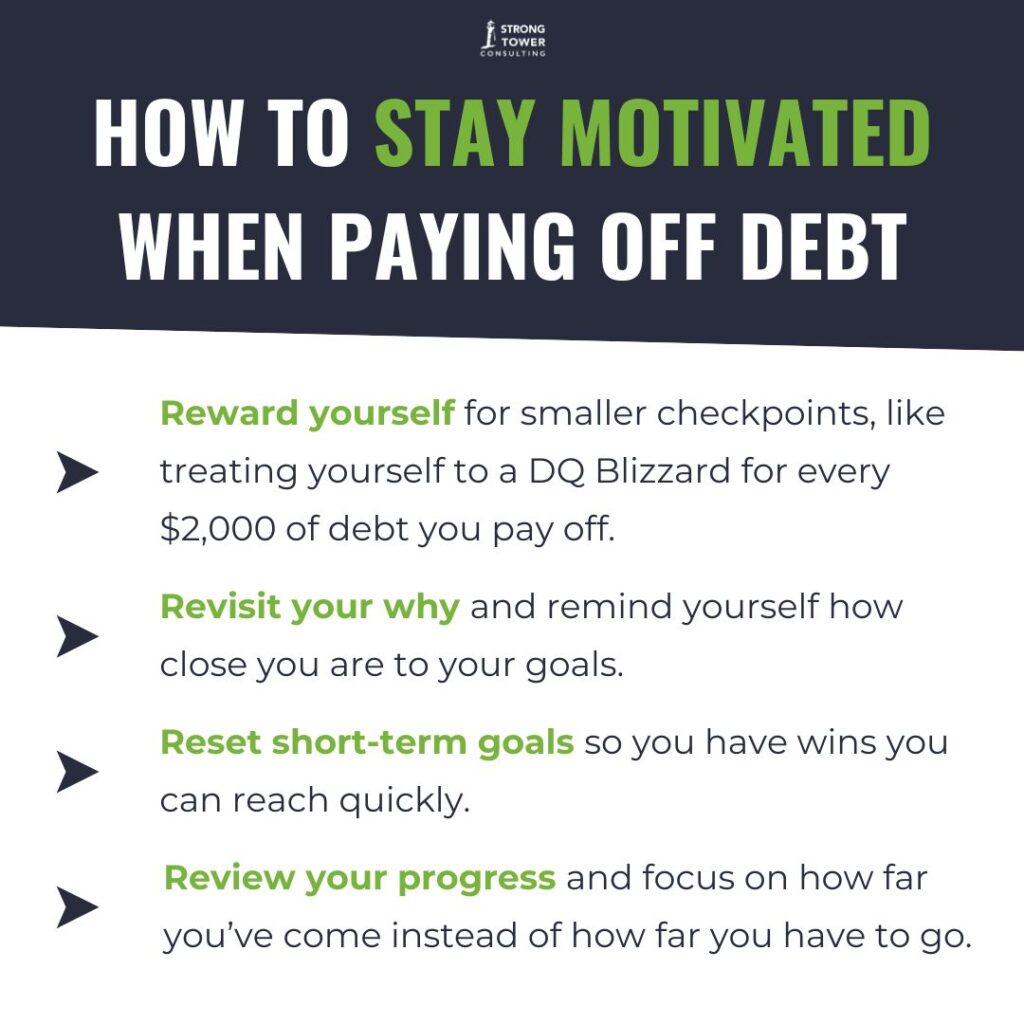
When things do get monotonous or difficult, that’s when your refuel strategies come in handy. Here’s a sampling from Chapter 11 of Level Up Your Finances:
- Reward yourself for smaller checkpoints, like treating yourself to a DQ Blizzard for every $2,000 of debt you pay off.
- Revisit your why and remind yourself how close you are to your goals.
- Reset short-term goals so you have wins you can reach quickly.
- Review your progress and focus on how far you’ve come instead of how far you have to go.
These small refueling actions help you stay motivated, keep momentum going, and make the monotony manageable just like Lawrence did during 50 or 101 Ironmans. The key is to keep showing up, even when it feels boring, and let the repeated effort compound into meaningful results.
Clarity and Purpose Are Key
It’s hard to stay consistent if you don’t know why you’re doing it in the first place. Define what matters most to you, whether it is security, the ability to give, or the freedom to pursue your passions, and design daily habits that support those goals. Automate savings, track spending, and set up recurring contributions to investments. These small, repetitive steps may feel dull, but they work together to create lasting impact.
It’s hard to stay consistent if you don’t know why you’re doing it in the first place. Before you automate anything or track a single expense, get clear on your goals. And make them yours. There’s research showing that people are 42% more likely to achieve their goals when they write them down. That’s powerful. But it only works if the goal actually matters to you.
So start here:
Own your goals.
Not what your friends are doing. Not what Instagram says success looks like. Decide what matters most: security, the ability to give generously, flexibility with your time, getting out of debt, or building long-term stability.
Write them down.
Clarity creates commitment. “Do better with money” is vague. “Pay off my smallest debt in six months” is clear. Written goals turn wishes into direction.
Have a strong why.
Your why is what carries you when the excitement fades. When skipping the splurge feels annoying. When progress feels slow. If your reason is strong enough, you’ll keep going.
Once your goals are clear, design daily habits that support them. Automate savings. Track spending. Set up recurring contributions to investments. These small, repetitive steps may feel dull, but now they’re tied to something meaningful.
The monotony of daily work builds patience and perspective. Many people avoid boring tasks, thinking excitement equals progress. But progress usually looks boring. It looks like budgeting, saving, and investing over and over again. Over time, those habits build discipline, confidence, and resilience. You become someone capable of bigger goals because you’ve trained yourself to persist.
Create Systems That Work
If you want consistency, you need more than discipline. What carries you forward is structure. Automating savings, setting recurring investments, and creating routines free you from relying on willpower. They make consistent progress effortless, just like Lawrence’s training schedule made daily Ironmans possible. The key is to focus on systems, not dramatic moves. One day’s effort may feel invisible, but repeated daily, it builds results that compound over time.
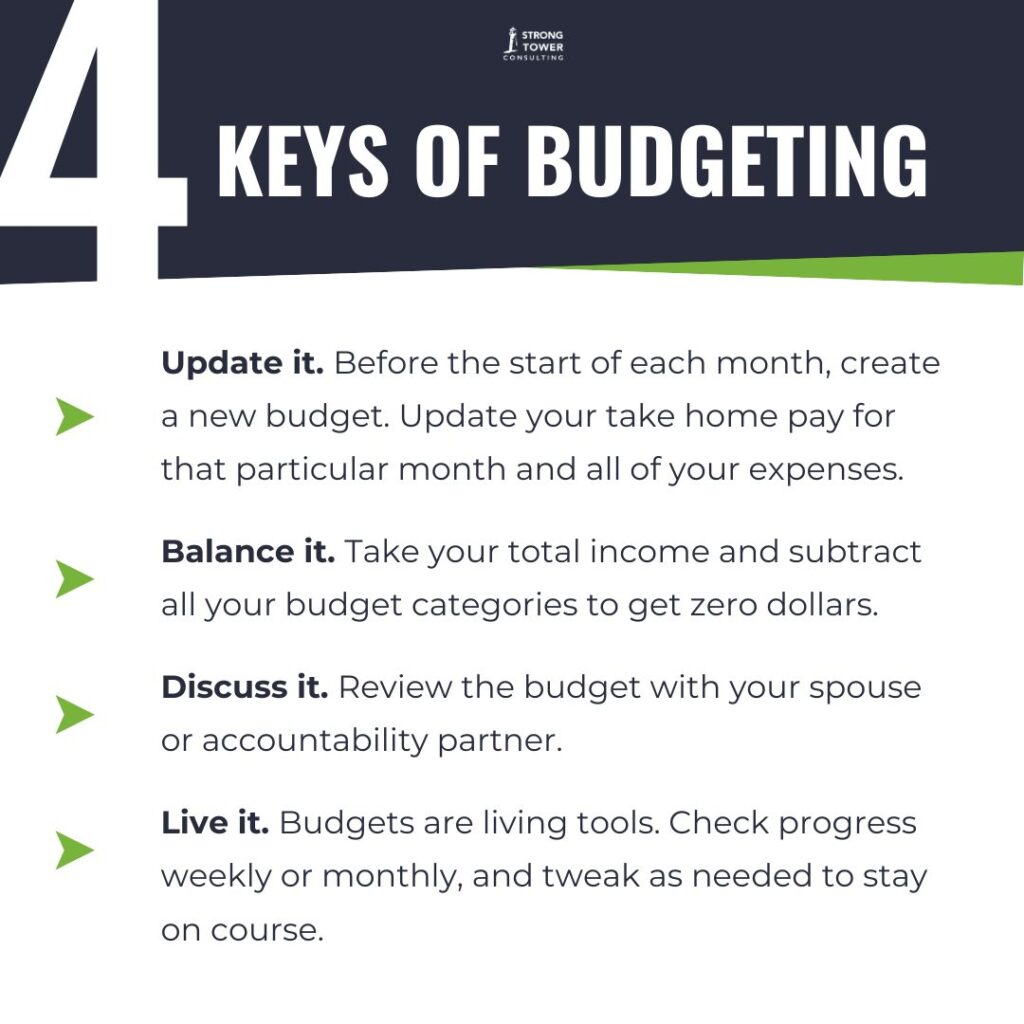
Part of building those systems is mastering your budget. My approach focuses on the four keys to budgeting:
- Update it. Before the start of each month, create a new budget. Update your take home pay for that particular month and all of your expenses.
- Balance it. Take your total income and subtract all your budget categories to get zero dollars.
- Discuss it. If you are married, one spouse should prepare the budget. Then get together to review and agree on the budget. If you are single, find an accountability partner that will hold you accountable to create your plan and follow through with it.
- Live it. Budgets are living tools. Check progress weekly or monthly, and tweak as needed to stay on course.
Just like the Iron Cowboy, financial success isn’t about dramatic highs and lows or bursts of motivation. It’s about showing up every day, trusting your system, and leaning into the monotony. When you commit to your budget and routines consistently, the results build steadily and powerfully, turning ordinary actions into real financial freedom.
Financial Consistency Brings Peace
Tracking your expenses, paying bills on time, and planning for the future may feel mundane, but these acts give you clarity and confidence. Just as Lawrence’s repetitive training built physical and mental endurance, your daily financial discipline builds stability and peace of mind. You stop reacting impulsively to life’s ups and downs and start making deliberate choices that align with your values.
To illustrate, imagine two people with the same income. One spends impulsively, occasionally saving or investing when it feels convenient. The other commits to small, consistent habits: saving 10% of income, contributing to retirement monthly, and reviewing the budget weekly. The first may see sporadic success but will always feel vulnerable to emergencies or setbacks. The second will quietly, steadily, and almost invisibly build financial freedom. The difference isn’t dramatic highs; it’s monotony and consistency.
Your Path to Financial Freedom
So, what can you take from James Lawrence, the Iron Cowboy, and apply to your finances today? First, embrace the boring stuff. A budget, regular savings, debt repayment, and investment routines may not excite you, but they are the work that builds lasting results over time. Second, lean into discomfort. You will make mistakes, face unexpected expenses, and have slow months, but persistence matters more than perfection. Third, create systems. Automate wherever possible so that your consistent actions do not depend on willpower alone. And fourth, measure progress over time, not day by day. The compounding effect of monotony is invisible at first, but it produces extraordinary outcomes.
At its core, financial freedom is a lot like completing an Ironman, or 50, or 101. It requires showing up consistently in a way that feels repetitive and ordinary. It is not glamorous, but it works. You do not need luck or a dramatic breakthrough. What you need is a superpower, a high tolerance of monotony.
You Don’t Have to Wing It
Here’s the truth: you don’t have to wing it with your money. My process, outlined in my book Level Up Your Finances, shows step-by-step how to create systems, habits, and strategies that lead to financial freedom. And if you need extra accountability, coaching can make a huge difference. With guidance and support, you can move past uncertainty, build confidence, and live in financial freedom where you’re at peace, not worried about paychecks or the financial security of your family. Even the Iron Cowboy himself, James Lawrence, attributes his success to a coaching team behind him and systems.
So today, show up for your finances. Review your budget, put extra money toward your current goal, resist unnecessary spending. Embrace the monotony. Because every step you take, no matter how small, compounds. And over time, that consistency day after day and month after month, will give you a superpower: freedom. The superpower of monotony is real, and it’s waiting for anyone willing to claim it.