Graduating into the “real world” comes with more than just a job and a paycheck. It comes with decisions. Lots of them. Rent, groceries, student loans, maybe a car payment… and somehow your money still disappears faster than you expected.
Most people assume they’re just “bad with money.” They’re not. They were just never shown a simple way to manage it. The good news? You don’t need a complicated system. You just need a few habits that actually work in real life.

Simple Money Advice for Graduates
Start with Awareness
Before you fix anything, you need to see what’s actually happening.
That starts with a simple monthly spending review. Look at what came in, what went out, and where things didn’t go as planned. Use a piece of paper, a simple notes app or other form of tracking to log every penny spent for 30 days. There’s no judgment here, you’re just finding information.
A lot of people avoid this step because they’re afraid of what they’ll find. But clarity is what gives you control. Whether you use a spreadsheet or simple budget tracking tools, the goal is the same: stop guessing and start knowing what’s actually going on.
Give Your Money a Job
Once you know where your money is going, the next step is deciding where it should go.
This is your budget planning process, and it doesn’t need to be complicated. Break your money into three simple categories: what you need, what you enjoy, and what moves you forward.
Without a plan, money disappears. With a plan, it starts working for you.
You’re going to estimate all your money coming in for the month and assign a column in your spreadsheet for each paycheck. When you get paid, pause before you spend anything. Quickly adjust the amount for the actual paycheck:
- What bills are coming up before your next paycheck?
- What do you need for groceries, gas, and daily life?
- What can go toward sinking funds or debt?
Think of each paycheck as a mini plan inside your bigger budget.
This keeps you from accidentally spending money that already has a job later. It also makes your money feel more manageable, especially if you’re living paycheck to paycheck.
This is one of those foundational money management tips that changes everything.
Create Breathing Room
Financial stress often comes from feeling like there’s no margin. Each dollar already spoken for by expenses is a bad plan.
That’s why learning to spend less than you earn matters so much. It creates space. Space to think. Space to adjust. Space to move towards your goals.
At the same time, start building the habit of saving consistently, even in small amounts. It’s not about how much you save at first – it’s about proving to yourself that you can.
That’s how momentum starts.
Have a Plan for the Hard Stuff
Debt and unexpected expenses are the two things that throw most people off track.
Instead of avoiding them, face them with a simple plan.
Choose a clear debt payoff strategy so you’re not constantly wondering what to do next. And build a small emergency fund of $1,000 so life doesn’t immediately turn into more debt when something goes wrong.
You don’t need to solve everything at once. You just need to move in the right direction.
Let Go of the Past and Move Forward
Almost everyone has some level of regret when it comes to money. Spending too much. Not saving sooner. Taking on debt.
Holding onto that doesn’t help.
What does help is overcoming money regret by using those experiences as lessons instead of hanging on to shame. Life is too short to be held captive.
At the same time, focus on building financial confidence through small, consistent actions. Confidence doesn’t come from knowing everything – it comes from doing something to move forward.
Keep It Simple
At the end of the day, managing money well isn’t complicated.
It’s consistent.
The core financial freedom steps are simple:
- Spend with intention
- Save strategically
- Pay off debt
- Adjust as life changes
That’s it.
It’s not flashy. It’s not overwhelming. Just effective.

The Bottom Line
Most graduates don’t fail with money because they’re careless.
They struggle because no one showed them how to manage it.
Now you have a starting point.
Start small. Stay consistent. And give yourself permission to figure it out as you go.
That’s how progress actually happens.
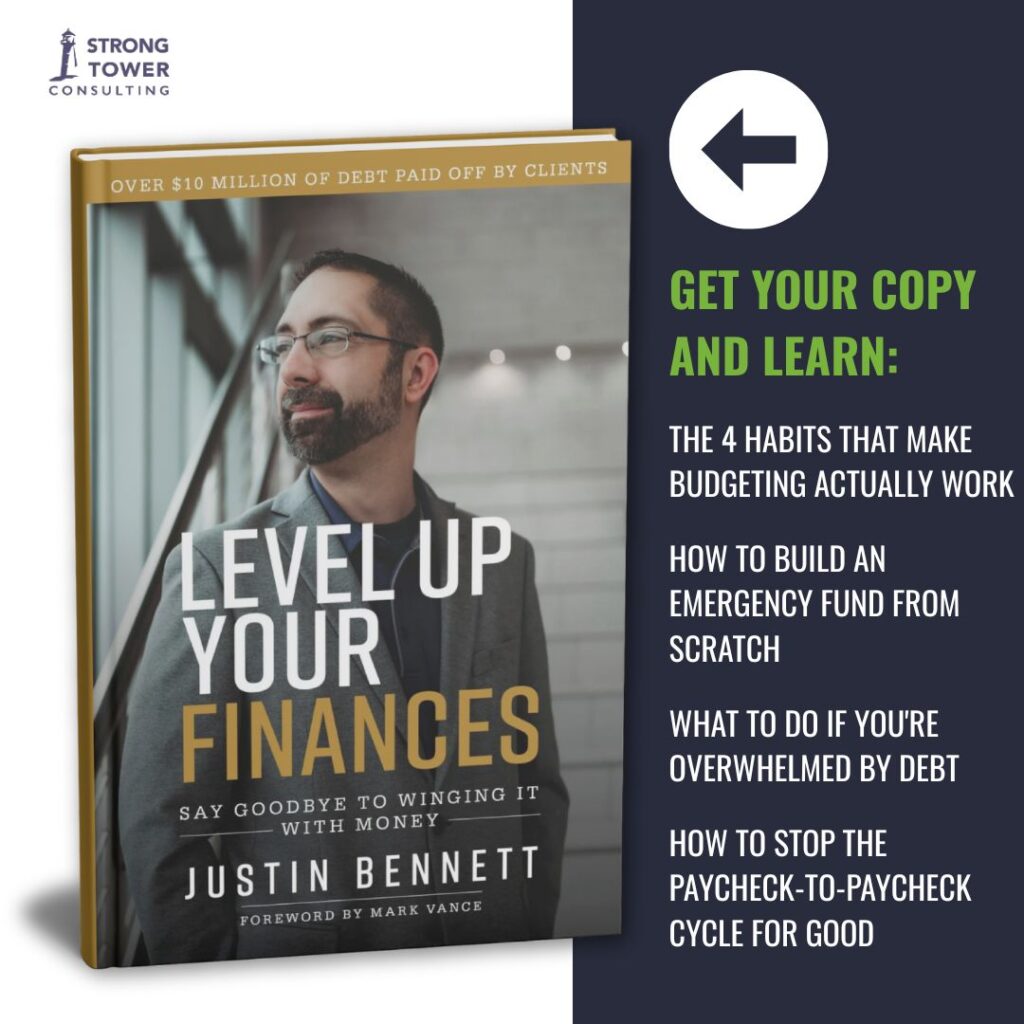
And if you want a simple, step-by-step guide to keep this going, my book Level Up Your Finances: Say Goodbye to Winging It With Money makes a practical (and actually useful) graduation gift—for you or someone you care about.